
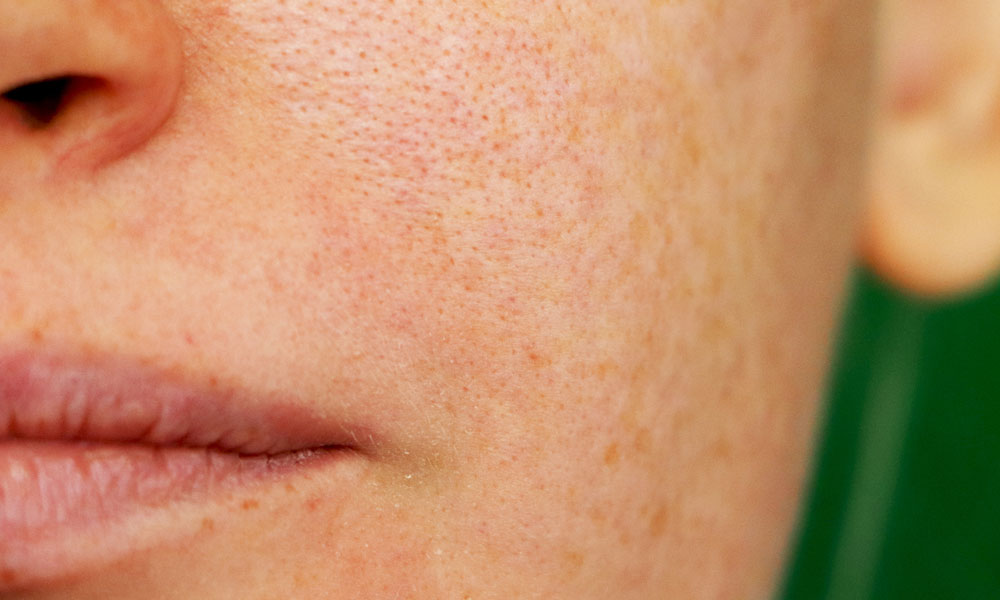
Sunlight can make the skin look beautiful in the short term. A little warmth in the complexion, a scattering of freckles and that holiday glow can all seem appealing at first. Over time, though, repeated UV exposure leaves a much clearer mark. Skin that has had years of sun exposure often starts to show changes in tone, texture and clarity that are difficult to ignore. What begins as a few freckles can slowly become uneven pigmentation, roughness, dullness and patches of discolouration that make the skin look older than it feels.
This is one of the most common concerns seen in any skin clinic. People often come in feeling that their skin no longer looks even, smooth or fresh, but they are not always sure why. In many cases, sun damage is a major part of the picture. It does not always appear all at once. It builds gradually, layer by layer, showing up as freckles that linger, pigmentation that deepens, or skin that feels rougher and less refined than it once did.
The good news is that sun-damaged skin can often be improved. With the right treatment plan, skin can look brighter, clearer and more even again. A thoughtful combination of clinic treatments and daily sun protection can soften existing damage and help prevent it from worsening.
How UV damage shows up over time
UV damage does not always look dramatic in the beginning. In younger skin, it may appear as freckles that darken in summer or a little extra colour after time outdoors. These changes can seem harmless, especially if they fade slightly in winter. But repeated exposure adds up, and over the years the skin can start to hold onto those marks for longer.
One of the first visible changes is often uneven tone. Instead of the skin looking clear and uniform, there may be scattered darker areas, tiny patches of pigmentation or a mottled appearance that is difficult to cover smoothly with makeup. The complexion can also begin to look dull or weathered rather than bright.
As the damage builds, rough texture may start to appear too. Skin can feel less smooth to the touch, more dry in places and less reflective of light. Fine lines may seem more obvious, and the overall surface of the skin may lose some of its softness. This is why UV damage rarely shows up as just one concern. It usually affects colour, texture and the general quality of the skin all at once.
Freckles, sun spots and pigmentation patches
Freckles are often the earliest sign people notice. On some skins they are entirely natural and part of the individual complexion, but UV exposure can make them darker, more numerous and slower to fade. Over time, these small marks can start to merge into larger uneven areas.
Sun spots and pigmentation patches are usually more noticeable because they tend to linger. They may appear on the cheeks, forehead, nose, upper lip or jawline, especially in areas that catch the light most often. Some people describe this as looking patchy or tired, even when the skin is otherwise healthy.
Mottled pigmentation can be especially frustrating because it makes the skin look less clear and more uneven overall. It is often one of the main reasons people seek support from an aesthetic clinic, as it can be difficult to manage with home care alone once the pigmentation becomes established.
Rough texture and that weathered look
Not all sun damage is about colour. Texture changes are a big part of the picture too. Skin that has had a great deal of UV exposure often starts to feel less smooth and more irregular. It may become rougher, drier or slightly thickened in places, while still somehow looking thinner and more fragile at the same time.
This is what gives sun-damaged skin that weathered appearance. The skin may not necessarily look very lined, but it can lose some of its polished, even finish. Makeup may sit less well, pores may seem more obvious and the complexion can lose some of its natural freshness.
This is also where people often start exploring aesthetic clinic facials and targeted skin treatments, because the goal is not just to lighten pigmentation but to improve the overall look and feel of the skin.
Why sun damage can seem to appear suddenly
One of the most confusing things about UV damage is that it can seem to arrive all at once. In reality, the skin has usually been collecting that damage gradually over many years. The visible signs simply become harder to ignore as the skin’s natural renewal slows down and pigment changes become more established.
This is why people are often surprised when they begin to notice pigmentation or roughness in their thirties, forties or beyond, even though the real cause may go back much further. Holidays, outdoor lifestyles, years without daily SPF or periods of sun exposure earlier in life can all leave a delayed mark.
Which clinic treatments can help soften the damage
The right treatment depends on the type and extent of the sun damage, but there are several ways a skin clinic can help improve the appearance of affected skin. The first step is always proper assessment. Pigmentation is not one single issue, and treatment works best when it is tailored to what the skin actually needs.
Chemical peels can be a useful option when sun damage shows up as dullness, rough texture and surface pigmentation. By helping to exfoliate the upper layers of the skin and support fresh cell turnover, peels can gradually improve brightness and make the complexion look more even.
Microneedling may also play a role, particularly where texture change, fine lines and uneven skin quality sit alongside pigmentation concerns. This kind of treatment supports renewal and can help skin look smoother and fresher over time.
Some clients also benefit from a programme of aesthetic clinic facials designed to calm, refine and support skin health while targeting specific concerns such as dehydration, roughness and uneven tone. The key is choosing treatments that strengthen the skin rather than overwhelm it.
In many cases, the best results come from a course of treatment rather than one-off appointments. Sun damage usually develops slowly, so improving it often requires patience and a structured plan.
Why home care and clinic care should work together
Clinic treatments can do a great deal, but they work best when supported by the right home routine. This is particularly important for pigmentation, because even excellent treatment results can be undermined if UV exposure continues without protection.
A good home routine for sun-damaged skin often includes gentle cleansing, supportive moisturising and carefully chosen active skincare to help with brightness and renewal. The exact products should suit the individual skin type, especially if there is also sensitivity or dryness in the background.
Medical-grade or professional skincare can be especially helpful where pigmentation is stubborn, but it should be introduced thoughtfully rather than piling on too many strong products at once. The aim is to support the skin, not to irritate it.
Sun protection is the real long-term treatment
No treatment plan for sun-damaged skin is complete without proper sun protection. This is the habit that makes the biggest long-term difference. If the skin is being treated for pigmentation or rough texture but is still exposed to UV without consistent protection, the cycle simply continues.
Daily SPF matters even when it is cloudy, especially for the face. It should be part of the routine every morning, not only on hot days or holidays. Reapplication matters too when spending extended time outdoors. Hats, sunglasses and shade also help, especially during brighter months.
This does not mean avoiding daylight altogether. It means treating sun protection as part of normal skin maintenance, in the same way you would moisturise or cleanse.
Clearer, brighter skin is possible
Sun damage is incredibly common, and it does not mean your skin cannot improve. Freckles that have become more persistent, pigmentation patches that make the complexion look uneven and rough texture that dulls the skin’s appearance can all be addressed with the right support.
A personalised approach from a skin clinic can help identify what your skin is dealing with and which treatments are most likely to help. Combined with consistent sun protection and thoughtful skincare, those treatments can soften visible damage and help restore a clearer, smoother and more refreshed appearance.
In the end, treating sun-damaged skin is not about chasing perfection. It is about helping the skin look healthier, more even and better protected for the future.