
Skin changes throughout adult life, but there is no single moment when it suddenly becomes “old”. Genetics, hormones, sun exposure, health, lifestyle and skincare habits all influence how it looks and feels. Two people of the same age may therefore have very different concerns.
A decade-by-decade approach can still provide a useful framework. It helps you understand which changes commonly appear at each stage and how your routine might evolve. The aim is not to prescribe treatments according to age, but to respond to your individual skin.
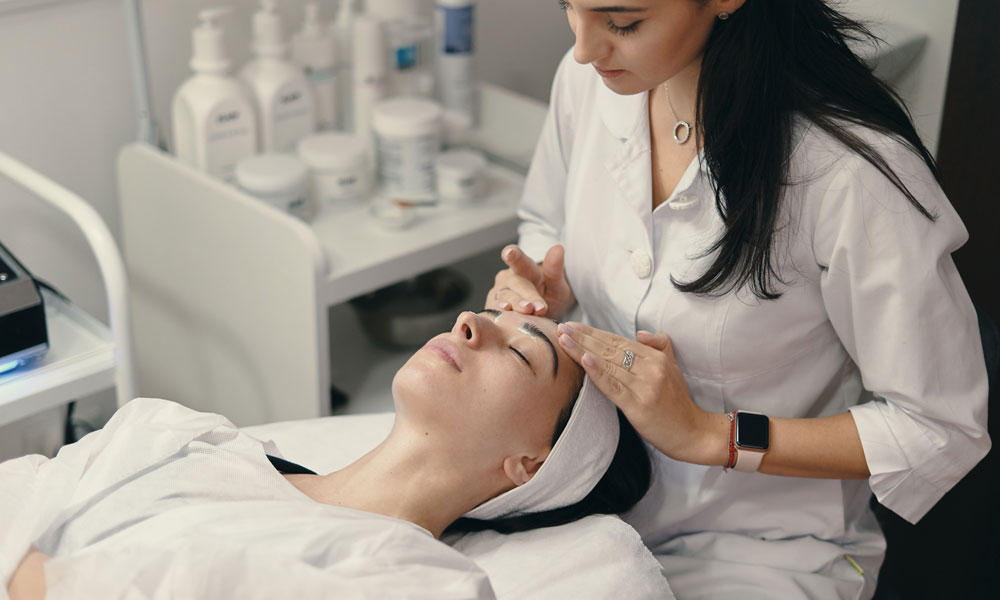
Whether you are considering professional skincare or visiting an aesthetic clinic, a proper assessment should always come before a treatment plan.
The foundations of healthy skin at every age
Some priorities remain important throughout adulthood. Daily sun protection is one of the most valuable steps for reducing cumulative UV damage. Choose broad-spectrum protection with at least SPF 30 and reapply when spending extended time outdoors, as well as after swimming or heavy perspiration.
Gentle cleansing helps remove make-up, sunscreen and daily impurities without repeatedly stripping the skin. A suitable moisturiser supports the barrier, while active ingredients should be introduced according to tolerance rather than used simply because they are popular.
Sleep, stress, smoking, alcohol, nutrition and general health can also affect the complexion. Skincare can support the skin, but it cannot replace wider health habits or treat every medical condition.
Any changing, bleeding or unusual lesion should be assessed through an appropriate medical route. Cosmetic treatments are not a substitute for diagnosing a skin problem.
Your 20s: prevention and consistency
In your 20s, the skin generally retains good elasticity and recovers relatively quickly. However, concerns such as acne, oiliness, sensitivity, dehydration and post-inflammatory pigmentation may still be present.
This decade is an ideal time to establish consistent habits. A basic routine might include a gentle cleanser, moisturiser and daily SPF. Depending on the skin, ingredients such as niacinamide, vitamin C, salicylic acid or a retinoid may be considered, but more products do not automatically create better results.
Over-exfoliation is a common problem. Combining scrubs, acids and strong active formulas can weaken the barrier, leading to dryness, stinging and breakouts. Introduce one product at a time and allow the skin to adjust.
Those experiencing persistent acne should seek professional advice rather than relying on aggressive routines or squeezing spots. Early management may reduce inflammation and the likelihood of longer-lasting marks.
Preventative treatment in your 20s should never feel compulsory. Professional options may help with a specific concern, but healthy skin does not require an extensive programme of procedures.
Your 30s: supporting early changes
During the 30s, some people begin to notice fine lines, uneven tone or slower recovery after tiredness and stress. Pigmentation associated with sun exposure or hormonal changes may become more apparent. The skin can also feel drier than it did previously.
Consistency remains more useful than constantly changing products. Antioxidant skincare can complement sun protection, while ingredients that encourage cell renewal may help with texture and fine lines. Retinoids can be effective for suitable individuals, but they should be introduced gradually because irritation is possible. Retinoid products require particular caution around pregnancy and breastfeeding, so seek appropriate professional advice.
Hydration and barrier support become increasingly important. Look for products that help retain water and replace skin lipids rather than assuming every sign of ageing needs a powerful active ingredient.
At a skin clinic, treatments such as chemical peels, microneedling or light-based therapies may be discussed for concerns including texture, acne scarring or pigmentation. The correct option depends on skin type, medical history and the nature of the concern.
Your 40s: adapting to hormonal change
In the 40s, declining collagen and elastin can contribute to fine lines, reduced firmness and changes in facial contours. Cell turnover may slow, making the complexion appear duller or less even. Perimenopause can also affect hydration, sensitivity, breakouts and pigmentation.
A routine that worked for years may suddenly feel unsuitable. Foaming cleansers or frequent exfoliation might become too drying, while richer moisturisers may feel more comfortable. Ingredients such as ceramides, glycerin and hyaluronic acid can support hydration, although no single ingredient is essential for everyone.
This is also a useful time to extend skincare beyond the face. The neck, décolletage and hands receive regular sun exposure and may benefit from the same thoughtful cleansing, moisturising and SPF habits.
Professional treatments should target clearly defined concerns. Skin boosters may be considered for hydration and skin quality, while microneedling can support improvements in texture. Carefully planned anti-wrinkle injections or dermal fillers may address movement-related lines or selected areas of volume change. The objective should be a natural, balanced result rather than trying to remove every visible sign of age.
Your 50s and beyond: hydration, texture and volume
From the 50s onwards, hormonal changes associated with menopause can have a noticeable effect. Skin may become thinner, drier and more sensitive, while collagen loss can contribute to changes in firmness and facial volume.
Barrier-friendly skincare becomes particularly valuable. A gentle cleanser and nourishing moisturiser can improve comfort, while active ingredients may need to be used less frequently. Dry or reactive skin does not necessarily need stronger treatment; it may benefit from a simpler routine.
Sun protection remains important. Beginning later in life is still worthwhile, both for maintaining an even appearance and supporting long-term skin health.
At an aesthetic clinic, the treatment plan may combine approaches rather than relying on one procedure. Skin-quality treatments can address hydration and texture, while carefully placed dermal filler may support areas affected by volume loss. Anti-wrinkle injections can soften selected dynamic lines, but they do not treat dryness or restore volume.
The face should be assessed as a whole. Treating individual lines without considering proportions, movement and tissue changes can produce an unbalanced result.
Why chronological age is only a starting point
Age can indicate which changes are common, but it cannot determine what your skin needs. Someone in their 30s may experience significant pigmentation, while someone in their 50s may be mainly concerned about sensitivity. Skin tone, facial anatomy, medication, menopause, previous treatments and sun exposure all affect the appropriate approach.
Trends can encourage people to request treatments that do not address their actual concerns. A good consultation should explore what bothers you, what result you hope to achieve and whether the proposed option is suitable.
It should also include realistic expectations, possible side effects, downtime, aftercare and alternatives. Sometimes the most appropriate recommendation is to simplify a routine, improve sun protection or postpone treatment.
Building a plan that evolves with you
Healthy skin is not defined by having no lines, pores or changes in texture. It is supported by consistent protection, a resilient barrier and care that adapts when your needs change.
In your 20s, prevention and gentle management may be the priorities. Your 30s may bring greater focus on tone and early fine lines, while your 40s and 50s can require more attention to hormones, hydration, texture and volume.
An experienced skin clinic can help separate useful options from unnecessary trends. With personalised skincare and carefully selected treatments, it is possible to support skin health through every decade while keeping results natural and appropriate to you.