
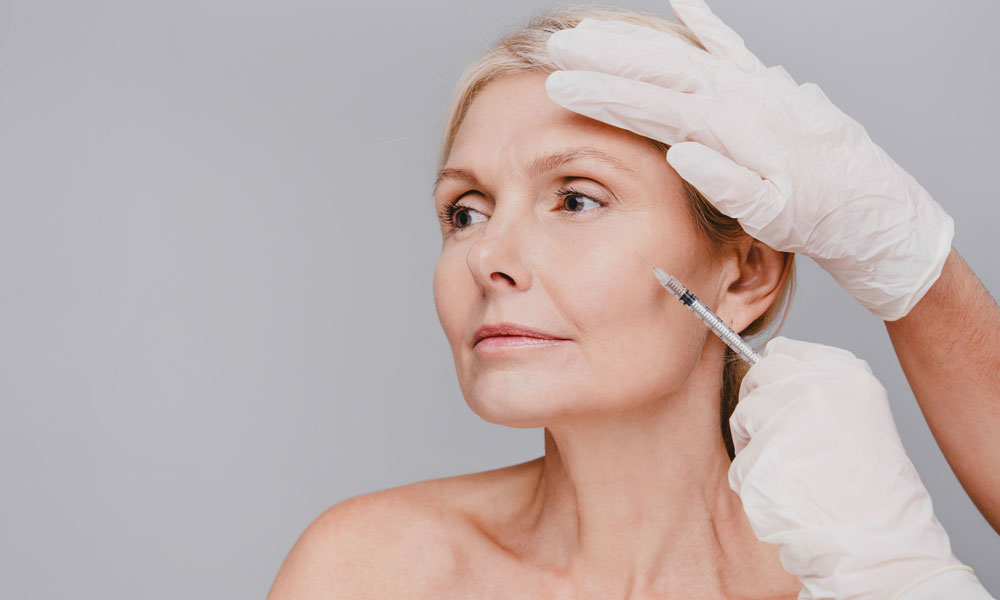
Regenerative aesthetics takes a different approach from treatments designed primarily to add volume, relax muscles or resurface the skin. Rather than creating one immediate cosmetic change, it aims to support the body’s own repair processes and encourage gradual improvements in skin quality.
Regenerative Repair Therapy, often shortened to RRT, uses components obtained from a small sample of the patient’s own blood. After careful preparation, the concentrated portion is used to deliver naturally occurring platelets and signalling proteins to the chosen treatment area.
These components are involved in healing and tissue repair. When used appropriately, RRT may support collagen production, cellular renewal and healthier-looking skin over time. It is not a miraculous cure or a substitute for every other procedure, but it can form part of a personalised treatment plan created by a qualified skin clinic.
What Does “Regenerative” Mean in Aesthetics?
The word regenerative is widely used across the aesthetics industry, sometimes to describe very different products and procedures. In its broadest sense, it refers to treatments intended to encourage repair, renewal or improved tissue function rather than simply masking a concern.
RRT uses material prepared from the patient’s own blood. This makes it an autologous treatment, meaning the biological material comes from the same person who receives it.
Platelets are best known for helping blood clot, but they also release growth factors and other signalling proteins during the healing process. These signals communicate with cells involved in tissue repair and may encourage activity associated with collagen formation and renewal.
The treatment does not introduce stem cells or create entirely new skin. Its purpose is to support processes the body already uses, directing concentrated natural components towards a carefully selected area.
How Is RRT Prepared?
Treatment begins with a consultation to review the patient’s concerns, health, medication and suitability. If RRT is appropriate, a small amount of blood is taken in much the same way as a routine blood test.
The sample is placed in a centrifuge, which spins it at a controlled speed. This separates its components according to density, allowing the practitioner to isolate the portion required for treatment.
Preparation protocols matter. The concentration and composition of the finished material can vary according to the collection system, centrifugation process and clinical technique. RRT should therefore be performed using appropriate equipment and infection-control procedures.
Once prepared, the regenerative material may be injected into selected areas or combined with another procedure, such as microneedling. The exact method depends on the concern, treatment plan and practitioner’s assessment.
Supporting the Skin’s Natural Repair Response
Skin has an ongoing capacity to repair itself, but this process changes with age, health, sun exposure and lifestyle. Collagen production generally becomes less efficient over time, contributing to reduced firmness, fine lines and slower recovery.
Growth factors released by platelets can signal cells involved in repair. Fibroblasts, which help produce collagen and other elements of the skin’s supporting structure, are an important part of this response.
RRT aims to create an environment that supports these natural mechanisms. Changes are therefore expected to develop gradually rather than appearing fully on the day of treatment.
This gradual response appeals to patients who prefer an improvement in overall skin quality without adding facial volume or changing their features. Outcomes vary, however, and some people respond more noticeably than others.
Which Skin Concerns May Be Addressed?
Regenerative treatment may be considered for several concerns related to skin quality. These can include fine lines, dullness, uneven texture and early loss of firmness.
It may also be used within treatment plans for certain types of scarring, including acne scars. In these cases, RRT is often combined with a procedure such as microneedling, which creates controlled microchannels and initiates a separate healing response.
Delicate areas that require a conservative approach may sometimes be considered, but suitability depends on anatomy, skin condition and the chosen technique. RRT should not be assumed to treat every line, hollow or pigmentation concern.
It is also important to distinguish between improving the appearance of a scar and removing it. Regenerative procedures may support gradual remodelling, but they cannot guarantee that scarring will disappear.
Active acne, suspicious skin lesions, uncontrolled inflammation or an undiagnosed skin condition may need different assessment and management before aesthetic treatment is considered.
RRT Combined with Microneedling
Microneedling uses fine, sterile needles to create controlled micro-injuries within the skin. This activates a healing response and can encourage the production of collagen and elastin.
When RRT is incorporated into a collagen induction facial, the two approaches are intended to work together. Microneedling stimulates repair mechanically, while the prepared blood components supply concentrated platelets and growth factors involved in regeneration.
This combination may be used to improve texture, radiance, fine lines and the appearance of selected scars. The depth and intensity of microneedling must be adjusted to the individual’s skin, concern and risk profile.
More intensive treatment does not automatically produce better results. Excessive trauma can increase downtime and the likelihood of complications, including prolonged inflammation or pigment changes. A clinical assessment should guide every treatment setting.
When Will Results Become Visible?
RRT is not usually chosen for an instant transformation. Some patients notice temporary freshness or swelling shortly after treatment, but this should not be confused with the final result.
Improvements associated with tissue repair and collagen remodelling develop over the following weeks and may continue for several months. Skin may gradually appear smoother, firmer or more even, depending on the concern and individual response.
A course of treatments may be recommended rather than one isolated session. The appropriate number and spacing should be based on clinical assessment, response and treatment goals.
Standardised photographs can help patients judge subtle changes more accurately. Lighting, camera angle and facial expression should remain consistent so that improvement is not overstated.
Maintenance may be considered later, but it should not be scheduled automatically without reviewing whether the previous treatment was beneficial.
Who May Be Suitable?
RRT may suit adults seeking gradual improvement in skin quality using components derived from their own blood. It can appeal to people who do not want additional facial volume or who are building a wider skincare and treatment plan.
It is not suitable for everybody. Medical conditions affecting the blood, platelets, clotting or immune system may influence eligibility. Certain medication, active infection, significant illness, pregnancy or breastfeeding may also prevent or delay treatment.
The practitioner needs a full and accurate medical history. Patients should not stop prescribed medication or supplements simply to undergo an aesthetic procedure unless instructed by the clinician responsible for their care.
A consultation should also establish whether another option would address the concern more effectively. Pigmentation, volume loss and active skin disease, for example, may require very different approaches.
Downtime, Side Effects and Safety
After RRT, temporary redness, swelling, tenderness and bruising can occur. Microneedling may also cause warmth, tightness, dryness or mild flaking as the skin recovers.
Because injections and blood handling are involved, careful hygiene and clinical protocols are essential. Potential risks include infection, inflammation, prolonged bruising and unsatisfactory results. Procedures around delicate facial areas require detailed anatomical knowledge.
Patients should receive clear aftercare explaining skincare, sun protection, exercise, makeup and when normal products can be resumed. They should also know how to contact the clinic if pain, swelling, redness or other symptoms become concerning.
Treatment should be provided by an appropriately qualified practitioner using traceable equipment and a process designed for clinical use.
Professional Treatment and Daily Skincare Work Together
Regenerative procedures do not replace consistent skincare. Gentle cleansing, appropriate moisturising and daily broad-spectrum sun protection remain important for maintaining the skin barrier and limiting further damage.
Prescription or clinic-recommended products may support concerns such as acne, pigmentation or visible ageing, but they should be introduced according to individual tolerance. Using too many active ingredients around a procedure can increase irritation.
Lifestyle factors also influence skin health. Smoking, heavy sun exposure, poor sleep and inadequate nutrition can work against the processes a regenerative treatment is intended to support.
A Gradual Investment in Skin Quality
Regenerative Repair Therapy is best understood as a treatment that supports the skin’s own repair activity rather than forcing an immediate structural change. By using concentrated components prepared from the patient’s blood, it aims to encourage collagen production, renewal and gradual improvements in quality.
It may help with fine lines, texture, dullness and selected scars, particularly when combined appropriately with microneedling. Results remain individual and require time.
A consultation at a reputable skin clinic is essential for determining suitability, discussing alternatives and setting realistic expectations. Combined with thoughtful skincare and long-term sun protection, regenerative treatment can become one carefully considered part of maintaining healthier-looking skin.