
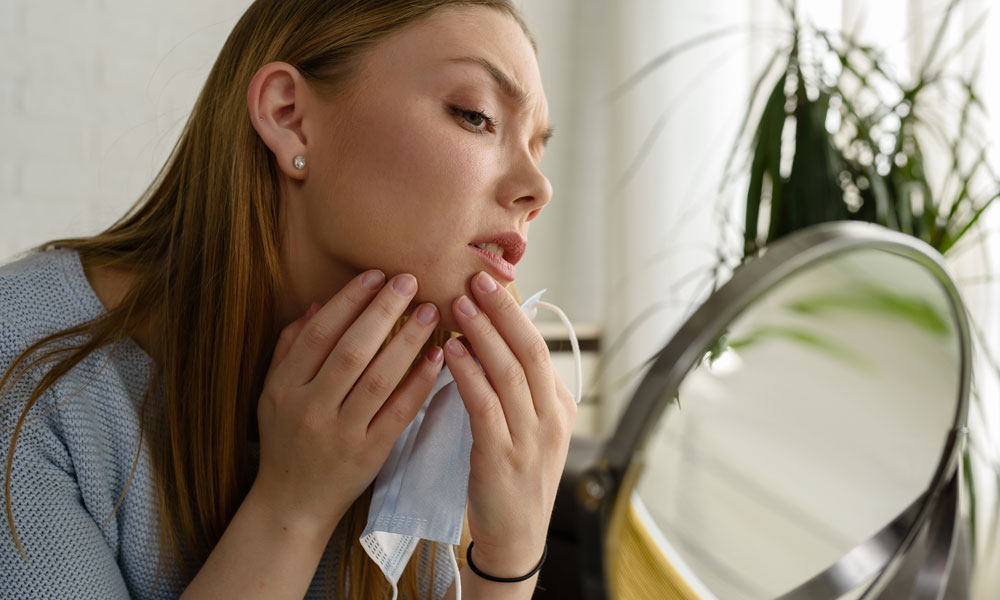
If you’ve noticed more spots around your chin, cheeks, jawline or hairline after wearing a face mask, sports helmet or workplace PPE, you’re not imagining it. Friction breakouts are extremely common, and they can affect people who’ve never had acne before as well as those prone to congestion. The combination of heat, moisture, rubbing and occlusion creates a perfect storm for blocked pores and inflamed blemishes.
The good news is that “maskne” is manageable. With the right cleansing routine, barrier support and a few practical habit changes, you can keep skin calmer even if you need to wear headgear daily. And when breakouts become stubborn, a professional plan from an aesthetic clinic or skin clinic can speed up recovery without harsh home experimentation.
What “maskne” actually is and why it happens
Maskne is a form of acne mechanica — breakouts triggered by friction and pressure. It isn’t only about masks. You can see the same pattern from:
- Sports helmets and chin straps
- Cycling helmets and sweatbands
- Respirators and PPE
- Visors, balaclavas and face coverings
- Tight collars or uniform straps
- Repeated phone contact on the cheek
When fabric or straps rub the same area repeatedly, the skin becomes irritated and inflamed. Add trapped heat and moisture from breathing and sweating, and pores are more likely to clog. Over time, this can lead to a mix of blackheads, whiteheads and inflamed spots, often clustered exactly where the mask or strap sits.
Who is most likely to get friction breakouts
Anyone can get maskne, but certain factors increase the risk:
- Oily or combination skin that already clogs easily
- Sensitive skin or a damaged barrier
- Heavy make-up under masks
- Long wear times (commuting plus a full shift)
- Sweating during exercise
- Reusing unwashed cloth masks or helmet liners
- Using harsh skincare that leaves skin dry and reactive
If your skin is already prone to redness, eczema, rosacea or irritation, friction can tip it into a cycle of inflammation and breakouts.
Start with the basics: cleanse properly, but don’t strip
One of the most common mistakes is over-cleansing. When skin feels greasy and congested, it’s tempting to use strong foaming washes, scrub, or cleanse repeatedly. That can backfire by damaging the skin barrier, leading to more inflammation and more spots.
A better approach is:
- Morning: gentle cleanse – Use a mild cleanser that removes overnight oil and sweat without leaving the skin tight. If you’re very dry or sensitive, you may only need a light cleanse or rinse in the morning.
- Evening: thorough but gentle cleanse – If you’ve worn a mask or helmet all day, cleanse properly at night to remove sweat, SPF, make-up and grime. If you wear heavier SPF or make-up, a two-step cleanse can help: first remove surface products, then cleanse the skin.
- After cleansing, the skin should feel comfortable, not squeaky or dry. Tightness is a sign you’ve gone too far.
Barrier support is your best defence against maskne
A strong skin barrier helps resist irritation from friction and reduces the likelihood of inflammation. Barrier support isn’t about using thick, greasy creams — it’s about choosing the right lightweight products that protect without clogging.
Focus on:
- A simple moisturiser – Choose a non-comedogenic moisturiser that supports barrier function. Even oily skin needs hydration, especially if you’re using acne-targeting products.
- Comfort before actives – If your skin is stinging, peeling or red, prioritise barrier repair for a couple of weeks before adding stronger acne actives. Irritated skin is more likely to break out and heal slowly.
- Avoid layering too much – Under masks, heavy layers can trap heat and sweat. Keep it simple: cleanse, moisturise, SPF in the morning.
Reduce friction and occlusion where you can
Skincare helps, but small practical changes often make the biggest difference.
- Choose breathable, well-fitting materials – A mask that moves constantly rubs more. A mask that’s too tight increases pressure and irritation. The goal is a secure fit with minimal movement.
- Keep masks and liners clean – Reusable masks should be washed frequently, and helmet liners should be cleaned or replaced regularly. Sweat, oil and bacteria build-up can aggravate congestion.
- Avoid wearing heavy make-up under headgear – Foundation and thick concealers can mix with sweat and oil and clog pores. If you need coverage, consider lighter formulas and focus on spot concealing, then remove thoroughly at night.
- Take safe “skin breaks” – If your work environment allows, short breaks from pressure can help reduce irritation. Even a few minutes can make a difference.
When and how to add acne-targeting ingredients
Once the barrier feels calm, you can introduce targeted products to prevent blocked pores and manage breakouts. The key is to introduce one change at a time and build slowly.
Useful approaches include:
- A leave-on product a few nights a week – For congestion, a leave-on product that supports pore clarity can help. Start 2–3 nights per week and increase gradually if skin stays comfortable.
- Spot treatment, not full-face punishment – Avoid applying strong spot treatments all over the face if only the mask area is affected. Target the zones that break out.
- Don’t mix everything at once – If you start multiple actives together, you won’t know what’s helping — and irritation becomes more likely. Simpler is usually better for maskne.
How to tell if it’s acne, irritation, or something else
Not all “mask rash” is acne. If the skin is very itchy, scaly, or burning, you may be dealing with irritation or contact dermatitis from mask materials, detergents or adhesives. If you see uniform redness and sensitivity rather than clogged pores, your skin may need barrier focus first.
If you’re unsure, it’s worth getting assessed at a skin clinic. Treating dermatitis like acne can make it worse.
When in-clinic treatments can help
If you’ve done the basics for several weeks and you’re still getting inflamed breakouts, stubborn congestion, or post-blemish marks that won’t shift, an aesthetic clinic can help you get control faster and reduce the risk of scarring.
In-clinic options often include:
- Professional deep cleansing and gentle extraction – When performed correctly, this can remove congestion safely and reduce the temptation to pick at home.
- Targeted chemical peels – A peel can help clear blocked pores, improve texture, and reduce the look of marks — but the peel type and strength should be chosen carefully, especially if your barrier is compromised.
- LED light therapy – Often used to calm inflammation and support recovery, especially when breakouts are inflamed.
- A personalised skincare plan – Sometimes the biggest benefit is getting a routine tailored to your skin type and lifestyle, so you’re not guessing or following trends.
The right timing matters. If your skin is very irritated, it may need barrier repair first. A good skin clinic will assess and stage treatments properly rather than rushing into aggressive options.
Preventing marks and avoiding the picking cycle
Maskne can tempt people into picking because spots are clustered and often sore. Picking increases inflammation and makes marks last longer. If you’re prone to picking, focus on calming, protective steps:
- Keep nails short
- Use hydrocolloid patches overnight where suitable
- Prioritise gentle consistency over harsh quick fixes
- Wear daily SPF to help marks fade more evenly
A calm routine and the right support makes maskne manageable
Breakouts from masks, helmets and headgear are frustrating, but they’re also very treatable. Start with gentle cleansing, strengthen your barrier, and reduce friction where possible. Introduce targeted acne products slowly once skin is comfortable, and don’t punish your face with aggressive home remedies that can do more harm than good.
If breakouts persist or you’re starting to see scarring or stubborn marks, a professional plan from an aesthetic clinic or skin clinic can help you clear congestion, calm inflammation and get your skin back to a steadier baseline — even if you need to wear PPE or headgear every day.