
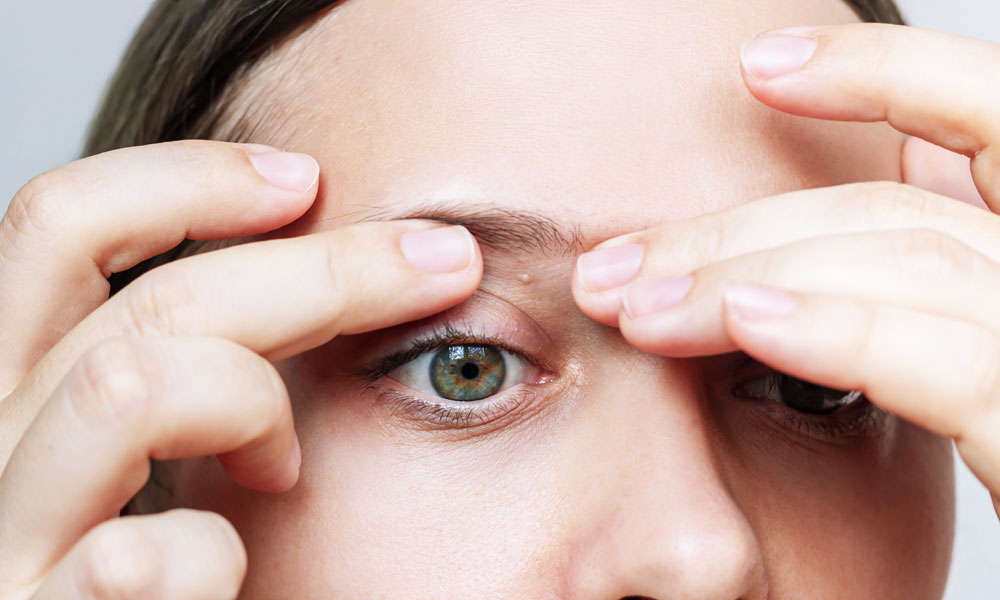
Small bumps on the skin are incredibly common. They can appear overnight, linger for months, or gradually multiply with age. Most are harmless, but they can be annoying, catch on clothing, affect confidence, or simply feel “not quite right”. It’s also understandable that many people search for quick fixes at home — especially when bumps are tiny.
The problem is that DIY removal can be risky. Without an accurate diagnosis and sterile technique, you can trigger infection, scarring, prolonged redness, or miss something that needs medical attention. If you’re considering milia removal or you’re looking for a trusted skin clinic to assess and treat small lesions, it helps to understand what these bumps actually are and why professional treatment is a safer option.
What are milia?
Milia are small, firm, white or yellowish bumps that sit just under the skin’s surface. They’re made of trapped keratin (a natural protein in skin) and are often seen around the eyes, cheeks and forehead. Milia can occur at any age and may appear after irritation, heavy skincare, sun damage, or following certain procedures.
Although they look like whiteheads, milia aren’t acne and usually won’t respond to typical spot treatments. Trying to squeeze them can damage delicate skin — especially around the eyes — and increase the risk of marks and scarring.
What are skin tags?
Skin tags (also called acrochordons) are soft, flesh-coloured or slightly darker growths that often form in areas where skin rubs: the neck, underarms, under the breasts, eyelids, groin and along bra lines. They’re benign and very common, particularly with age, friction, and sometimes in people prone to insulin resistance.
Skin tags can twist, become irritated, or bleed if caught on jewellery or clothing. While usually straightforward to remove, they can look similar to other lesions, which is why professional assessment matters.
What are warts?
Warts are caused by certain strains of human papillomavirus (HPV) and can appear on the hands, feet, face or other areas. They may be rough, cauliflower-like, flat, or have tiny black dots (clotted capillaries). Warts are contagious and can spread to other parts of your body or to other people through direct contact, shared towels, or shaving.
Home wart treatments can work in some cases, but they often take weeks or months, can irritate surrounding skin, and may be unsuitable for delicate areas (such as the face) or for people with certain health conditions.
What does “benign lesion” mean?
“Benign lesion” is a broad term for non-cancerous growths or marks on the skin. This can include a wide range of bumps such as seborrhoeic keratoses (waxy, “stuck-on” growths), cherry angiomas (small red vascular bumps), and other minor lesions.
Even though many are harmless, it’s important not to self-diagnose. Some concerning skin changes can mimic benign bumps, and anything that is changing, bleeding, ulcerating, or looks unusual should be assessed properly.
Why DIY removal is risky
It’s tempting to reach for a needle, tweezers, “tag remover” bands, acids, or online devices — but there are genuine risks:
- Misdiagnosis: Not every bump is a milia, tag or wart. Treating the wrong thing can delay appropriate care.
- Infection: Piercing or cutting the skin at home can introduce bacteria, leading to redness, swelling, pus and scarring.
- Scarring and pigmentation: DIY attempts often cause unnecessary trauma, which increases the chance of marks — especially on the face or in deeper skin tones.
- Bleeding: Skin tags and vascular lesions can bleed heavily if cut incorrectly.
- Spreading warts: Picking or shaving over warts can spread the virus.
- Eye-area danger: Milia and tags around the eyes are particularly risky to tackle at home due to thin skin and proximity to the eye itself.
If your goal is minimal downtime and the best cosmetic outcome, professional treatment is usually the quickest route.
How a skin clinic removes bumps safely
A reputable skin clinic will start with a consultation to confirm what the lesion is, whether it’s suitable for aesthetic removal, and which method will give the cleanest result. The focus is on precision, sterility and protecting the surrounding skin.
Common clinic-based options include:
- Sterile extraction for milia
Milia are often treated by gently opening the surface with a sterile technique and removing the keratin plug without unnecessary squeezing. This is particularly valuable around the eyes, where control and minimal trauma are essential. - Electrocautery or advanced cautery techniques
For many skin tags and certain benign lesions, controlled cautery can remove the tissue precisely and seal small blood vessels at the same time. This reduces bleeding and can support neat healing when performed correctly. - Cryotherapy (freezing)
Freezing can be used for certain warts and benign lesions. A clinician can target the lesion accurately, minimise damage to surrounding skin, and advise on expected blistering or shedding. - Curettage (gentle removal with a specialised instrument)
Some benign lesions respond well to careful removal after numbing. In experienced hands, this can be an efficient option with predictable healing. - Combination approaches
Some bumps need a tailored plan — for example, a wart that requires staged treatment, or multiple lesion types across different areas. A clinic can combine approaches while keeping downtime manageable.
A key benefit of professional treatment is judgement: knowing what to remove, what to monitor, and what should be referred for medical assessment.
What to expect at your appointment
Most treatments for small bumps are quick. In many cases:
- The area is cleansed thoroughly
- A local anaesthetic may be used (especially for sensitive areas or larger lesions)
- The lesion is removed using the most appropriate technique
- A protective dressing or barrier may be applied
- You’ll receive tailored aftercare guidance to support the best possible healing
Many people return to normal activities straight away, although you may have temporary redness, slight scabbing, or mild swelling depending on the location and method used.
Downtime, healing and scarring: what’s realistic?
Any time the skin is treated, it needs a short healing phase. The goal is minimal disruption and a low risk of scarring, but outcomes depend on lesion type, location, skin sensitivity, and aftercare.
Typical healing expectations:
- Milia extraction: mild redness for a day or two
- Skin tag removal: a small scab that sheds naturally over several days
- Wart treatment: may blister or scab; some warts need more than one session
- Benign lesion removal: healing varies; your clinician will explain what to expect
Following aftercare matters. Picking scabs, using harsh acids too soon, or heavy sun exposure can increase pigmentation risk.
Aftercare tips for the best cosmetic result
Your clinician will personalise advice, but common guidance includes:
- Keep the area clean and avoid touching unnecessarily
- Do not pick or scratch any scab or flaking skin
- Avoid makeup on the area until advised (especially after facial treatments)
- Use SPF daily on treated areas exposed to daylight to reduce pigmentation risk
- Avoid exfoliating acids or retinoids on the area until healing is complete
- Contact the clinic if you notice increasing redness, heat, pain or discharge
When you should seek assessment rather than removal
If a lesion is changing quickly, bleeding without reason, ulcerating, irregular in colour, or looks noticeably different from others, it should be assessed carefully before any cosmetic treatment. A good skin clinic will always put safety first and advise referral when appropriate.
Milia, skin tags, warts and other small bumps are often harmless — but removing them safely is about accuracy, sterility and technique. DIY methods can cause infection, scarring and unnecessary stress, particularly on the face and around the eyes. Professional milia removal and lesion treatment in a skin clinic setting offers a controlled approach, tailored to your skin and the type of bump, with clear aftercare and minimal downtime.
If you’re unsure what a bump is, or you’d like it removed with the best cosmetic outcome, a consultation is the safest first step.