
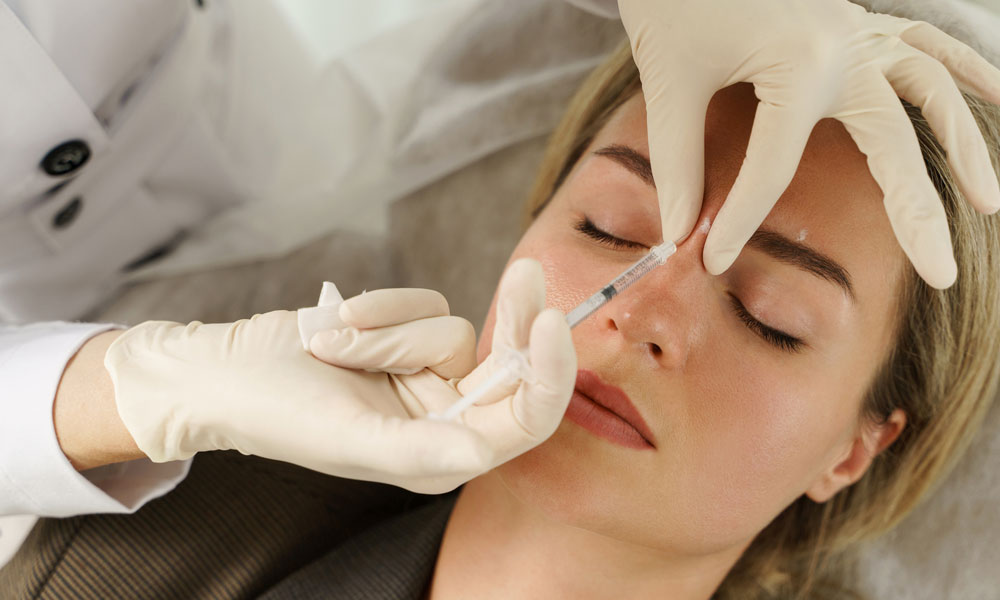
Anti-wrinkle injections – often nicknamed “wrinkle relaxers” – have become one of the most popular aesthetic treatments for softening expression lines and keeping the face looking fresher for longer. They work by relaxing specific facial muscles, reducing the movement that causes creases when you frown, smile or raise your eyebrows. Over time, this helps existing lines to soften and can slow down how quickly new ones form.
Results typically start to show within a few days, with full effect at around two weeks, and most people enjoy smoother skin for around three to six months before movement gradually returns. Treatment is quick, involves little to no downtime, and can be tailored to look very natural.
But what about having anti-wrinkle injections “preventatively” – starting in your 20s or early 30s before strong lines have really appeared? Is that a smart way to look after your skin, or an unnecessary step driven by social media and filters? At The Skin Specialist Nurse aesthetic clinic, we believe in honest, individual advice, not one-size-fits-all answers.
How anti-wrinkle injections actually work
The product used in most anti-wrinkle injections is a purified form of botulinum toxin type A. When injected in tiny amounts into targeted facial muscles, it temporarily blocks the nerve signal that tells those muscles to contract. With less movement, the skin overlying those muscles creases less – so:
- Dynamic lines (those that appear only when you move) soften
- Over time, static lines (those visible even at rest) can become less etched in
- New wrinkles may form more slowly because the skin isn’t being folded as strongly or as often
The aim is not to “freeze” your face, but to reduce excessive movement in key areas such as frown lines, forehead lines and crow’s feet, while keeping you looking like yourself.
What does “preventative” treatment really mean?
Preventative anti-wrinkle injections are usually talked about in the context of starting earlier, when lines are only fine or appear mainly with expression. The idea is that if you reduce repeated folding of the skin before lines become deep and permanent, you may delay how quickly they show.
In practice, preventative treatment usually means:
- Lower doses, focusing on softening rather than fully blocking movement
- Treating areas where early lines are starting to linger after expression
- Spacing treatments sensibly, rather than chasing total stillness all year round
The key point is that “preventative” should not mean treating perfectly line-free faces just in case. It should be about working with what is actually happening in your skin and facial muscles, not against an imagined future.
Starting anti-wrinkle injections in your 20s
Your 20s are often when you first notice faint expression lines – the little “11s” between your brows after a long day, or fine crinkling around the eyes when you smile. For some people, especially those with very expressive faces or strong frown habits, these lines begin to hang around rather than disappearing instantly when the face relaxes.
In this situation, carefully judged preventative treatment can make sense if:
- You can already see early lines at rest in certain areas
- You have a strong family pattern of early lines and feel bothered by it
- You work in a very image-focused field and want to maintain a certain look
However, there are also good reasons not to rush in during your 20s:
- If your skin is still completely smooth at rest, injections will offer little real benefit
- Skincare, sun protection and lifestyle changes often give excellent results at this age
- Starting very young can create unrealistic expectations about looking “perfect” all the time
- Anti-wrinkle injections are a commitment – financially and emotionally – that you should feel genuinely ready for
At The Skin Specialist Nurse, many younger patients are pleasantly surprised to hear that the best way to reduce wrinkles in their 20s is often a combination of daily SPF, not smoking, good hydration, stress management and a sensible skincare routine, rather than jumping straight to injections.
Starting anti-wrinkle injections in your 30s
For a lot of people, their 30s are when lines begin to feel more “real”. Makeup may sit differently on the forehead, the frown line between the brows doesn’t fully disappear, or crow’s feet stay faintly visible even when you are not smiling. Collagen naturally starts to decline in this decade, so expression lines have more chance to bed in.
In these cases, anti-wrinkle injections often make more straightforward sense as part of a wider anti-ageing plan because:
- The pattern of your facial movement and lines is clearer
- There are visible creases to treat, not just a fear of future lines
- Small, well-placed doses can soften lines while keeping normal expression
- You may already have a consistent skincare routine in place, so injections are a targeted “extra”, not a substitute for basics
Preventative treatment in your 30s is usually less about stopping lines from ever appearing, and more about stopping moderate lines from quickly becoming deep grooves. For many patients, this feels like a more balanced and realistic goal.
The best ways to reduce wrinkles (with or without injections)
Whether or not you choose anti-wrinkle injections, the foundations of healthy, youthful-looking skin are similar:
- Daily broad-spectrum SPF on face, neck and chest
- Not smoking – tobacco is one of the fastest routes to premature lines
- Managing stress and getting enough sleep, both of which affect skin repair
- A skincare routine suited to your skin type, possibly including gentle retinoids and antioxidants
- A diet that supports overall health, with plenty of water and minimal excess alcohol
Anti-wrinkle injections can then be layered on top of good habits to address specific areas that bother you most. They should not be the only tool in the box.
Safety, subtlety and realistic expectations
Regardless of your age, anti-wrinkle injections should always be carried out by an appropriately trained medical professional in a clinical setting. In the UK, botulinum toxin is a prescription-only medicine and must be prescribed following a face-to-face consultation. This is important not just for safety, but also for getting a tailored plan that respects your natural anatomy and expression.
Common side effects such as mild redness, tiny bumps or bruising usually settle within a few days. More serious complications are rare when treatment is properly performed, but they do exist and should always be discussed honestly before you decide to go ahead.
Good treatment should leave you looking like a fresher version of yourself – not “done”, not frozen, and not identical to anyone else.
How The Skin Specialist Nurse approaches preventative treatment
At The Skin Specialist Nurse, the focus is always on natural-looking results and long-term skin health, not quick fixes or trends. That means:
- A thorough consultation to understand your concerns, age, lifestyle and medical history
- Honest advice about whether anti-wrinkle injections are likely to help – or whether skincare and lifestyle are better first steps
- Conservative dosing, especially for first-time or younger patients, with the option to review and adjust
- Treatment plans that look at the face as a whole rather than chasing individual lines in isolation
Sometimes, the most ethical recommendation is not to treat – for example, if you are in your early 20s with no visible lines, or if you are seeking injections mainly because of social pressure rather than something that truly bothers you.
So… should you start in your 20s or 30s?
There is no single “right” age to start anti-wrinkle injections. Instead, the better question is: what does your face need now, and what are you hoping to achieve?
- In your 20s, focus on prevention through sun protection and skincare; consider injections only if early lines are already visible and genuinely affect your confidence.
- In your 30s, a light, well-judged approach to anti-wrinkle injections can be a helpful addition if expression lines are starting to linger.
The best ways to reduce wrinkles combine healthy daily habits, thoughtful skincare and, where appropriate, carefully planned aesthetic treatments. If you are curious but unsure, booking a medical consultation at The Skin Specialist Nurse aesthetic clinic is the safest way to explore your options, get clear answers and decide – without pressure – whether preventative anti-wrinkle injections are right for you at this stage of your life.