
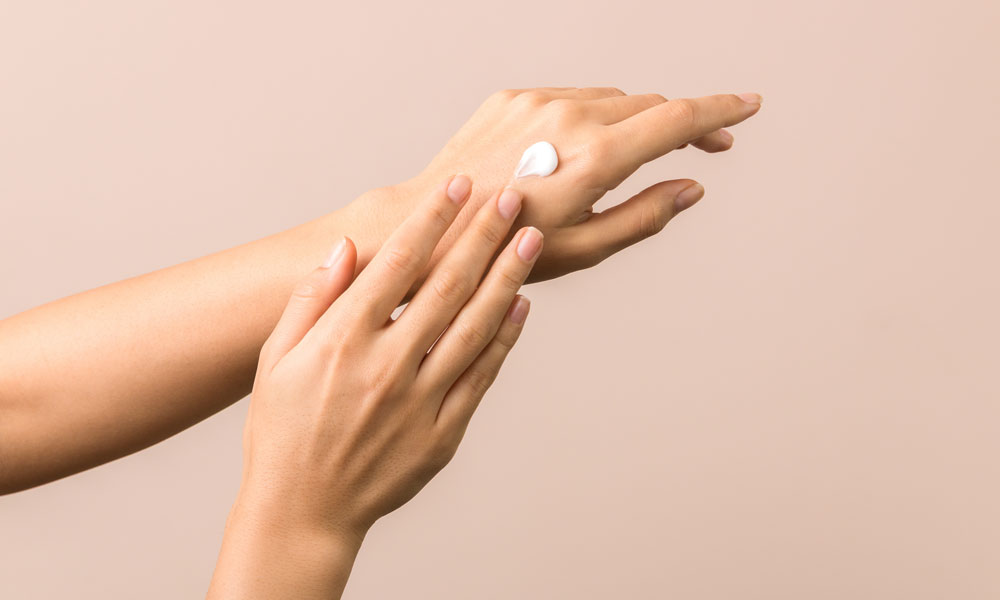
Our hands do a great deal of the talking when it comes to age. We may focus on the face, neck and décolletage, but the hands are often one of the first areas to show visible change. They are exposed to sunlight, weather, temperature changes, repeated washing and everyday wear for years, so it is no surprise that they can begin to look older before we expect them to.
For many people, the signs appear gradually. The skin may start to look thinner and less plump. Brown spots can become more noticeable. Veins and tendons may begin to stand out more clearly, and the skin can take on a looser, more crepey texture. The good news is that hand rejuvenation does not have to mean one single treatment or one dramatic step. A thoughtful combination of targeted skin treatments, professional assessment and quality skincare can help restore a smoother, fresher and more youthful-looking appearance. The Skin Specialist Nurse offers skin peels, microneedling, polynucleotides, sclerotherapy, skin consultations and medical-grade skincare as part of its wider aesthetic treatment offering, all of which sit naturally within a hand-rejuvenation conversation.
Why hands age so noticeably
The skin on the hands is naturally thinner than in some other areas of the body, and with time it can lose some of its smoothness, elasticity and youthful fullness. Daily UV exposure plays a major role too, which is why pigmentation and age spots often appear on the backs of the hands. Repeated washing, cold weather, household products and general dryness can also leave the skin looking rougher and more fragile.
This combination of volume loss, pigmentation, textural change and visible vessels is what makes ageing hands so recognisable. Rather than one single issue, it is usually a collection of changes happening together. That is why the best approach to hand rejuvenation is usually tailored. Some people are most bothered by brown spots. Others dislike prominent veins. Others notice that the skin looks dry, fine or creased even when they moisturise regularly.
Brown spots and uneven tone
Brown spots on the hands are one of the most common reasons people start looking for anti-ageing treatments. These patches of pigmentation can develop slowly over time and are often linked to cumulative sun exposure as well as the natural ageing process. Even when the rest of the hands still look relatively youthful, a scattering of visible pigmentation can create an older overall impression.
Treating this kind of uneven tone often starts with improving skin turnover and targeting surface discolouration. Professional skin peels can be a useful option here, as they are designed to exfoliate deeply, support skin renewal and target concerns including pigmentation and sun damage. On the clinic’s own treatment pages, skin peels are described as helping with pigmentation, signs of ageing, brightness and overall skin tone, which makes them a strong option in a treatment plan for ageing hands.
Microneedling can also play a role when pigmentation sits alongside dullness, fine lines and textural change. The clinic notes that microneedling can be used to improve pigmentation, dull skin, fine lines and overall texture by encouraging the skin’s natural renewal response.
Prominent veins and a more hollow appearance
For some people, the most noticeable sign of ageing hands is not pigmentation but visibility. As the skin becomes thinner and less cushioned, veins and tendons can start to stand out more than they once did. This can make the hands look bonier, more hollow and more obviously mature.
Visible veins are not always a problem that needs treating, but when they become a concern, it is important to assess exactly what is being seen. Small visible thread veins may be addressed differently from more prominent hand veins, and that is where an in-person consultation matters. The Skin Specialist Nurse offers sclerotherapy and describes micro sclerotherapy as a leading treatment for small veins and spider veins, which makes vein assessment part of the wider conversation around rejuvenating the hands.
Not every vein concern will be suited to every treatment, and expectations need to be realistic, but a personalised plan can help identify whether vascular treatment, skin-quality treatment or simply better skin support is the most sensible next step.
Crepey skin and loss of smoothness
Crepey skin is another frequent concern, especially on the backs of the hands. This is where the skin starts to look finely lined, delicate, slightly crinkled or papery. It is often more obvious in bright light and can be made worse by dehydration, sun damage and age-related changes in collagen and elastin.
This is where treatments that focus on skin quality can make a real difference. Microneedling is designed to encourage collagen and elastin production and improve texture, making it a natural option for hands that look tired, thin or finely creased. The clinic’s microneedling page specifically highlights texture improvement, fine line softening and a refreshed appearance with minimal downtime.
Polynucleotides may also be worth considering in a hand rejuvenation plan where the focus is on tissue quality, elasticity and repair. The clinic describes polynucleotides as regenerative aesthetic treatments that stimulate repair, support hydration, improve tissue elasticity and enhance overall skin resilience. That sort of treatment approach can be particularly appealing for clients who want skin to look healthier and stronger rather than simply tighter.
Why good skincare still matters
Clinic treatments can do a great deal, but hands also respond well to consistent, good-quality home care. In fact, one of the simplest mistakes people make is treating the face with care while leaving the hands out of the routine altogether.
If you want hands to look smoother and younger for longer, daily skincare matters. That means regular moisturising, particularly after washing, and consistent SPF on the backs of the hands during daylight hours. Medical-grade skincare and targeted active products can also support treatment results by helping maintain brightness, hydration and barrier health between appointments. The clinic highlights advanced skincare and stocked brands such as Obagi as part of its wider aesthetic offering, reinforcing the importance of quality skincare alongside procedures.
The goal is not to overcomplicate things. A few consistent habits are often more helpful than a shelf full of half-used products.
A personalised treatment plan is the best place to start
Because ageing hands can show several concerns at once, the best outcomes usually come from proper assessment rather than guessing. One person may need help mainly with pigmentation. Another may be better suited to a collagen-stimulating treatment. Someone else may benefit most from a vascular treatment alongside a stronger skincare routine.
That is why consultation matters so much. The Skin Specialist Nurse positions consultations as a chance to discuss the results you want and identify the best treatment plan, and that same principle applies to hand rejuvenation. A personalised approach helps ensure that treatment choices are based on what is actually ageing the hands, rather than applying the same solution to every client.
Smoother, fresher-looking hands are achievable
Hands will always show the story of a life well lived, and that is not something to fear. But if age spots, visible veins or crepey skin are making your hands look older than you feel, there are effective ways to improve their appearance. The right treatment plan can brighten pigmentation, refine texture, support hydration and help the skin look healthier, smoother and more youthful.
For many clients, the most natural-looking results come not from chasing perfection, but from restoring balance. When the skin looks clearer, fresher and better cared for, the whole area looks more elegant. That is the real aim of hand rejuvenation: not changing your hands completely, but helping them look more in keeping with the rest of you.