
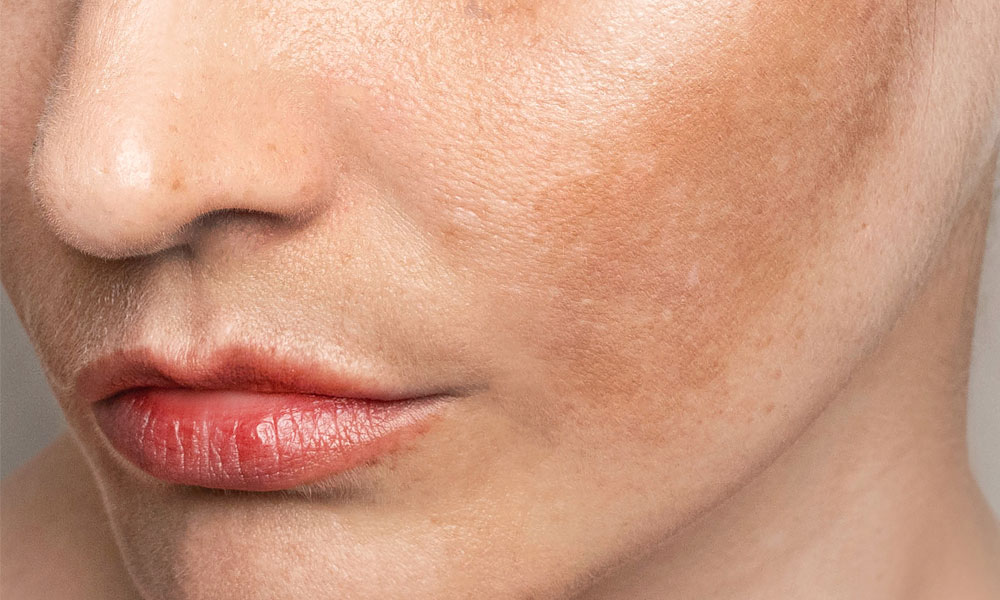
Many new mums notice changes in their skin after pregnancy — and pigmentation is one of the most common. You might see brown or grey-brown patches across the cheeks, forehead, upper lip or jawline. For some, it appears during pregnancy and lingers afterwards. For others, it becomes more noticeable in the months after giving birth, especially once daily life returns and you spend more time outdoors with the pram.
This type of pigmentation is often referred to as melasma (sometimes called the “mask of pregnancy”). It’s harmless, but it can feel stubborn and upsetting, particularly when you’re already navigating sleep deprivation and major change. The good news is that postpartum melasma can improve significantly with the right approach — and the first step is understanding what’s driving it and what’s safe while your body is still adjusting.
What is postpartum melasma?
Melasma is a form of pigmentation where the skin produces excess melanin (pigment) in patches rather than evenly. It typically affects areas exposed to light, especially the face. During and after pregnancy, melasma is often triggered by hormonal shifts combined with ultraviolet (UV) and visible light exposure.
Melasma can look like:
- Soft-edged patches on the cheeks, forehead or upper lip
- A symmetrical pattern (similar on both sides of the face)
- Colour that deepens after sun exposure
- Pigmentation that seems to “sit” in layers — sometimes light brown, sometimes deeper or slightly grey
Because several skin concerns can mimic melasma, a proper assessment at an aesthetic clinic can help confirm what you’re dealing with and avoid wasting money on the wrong products.
How pregnancy hormones affect pigmentation
Pregnancy and the postpartum period involve significant hormonal changes. Oestrogen and progesterone levels rise during pregnancy, and these hormones can influence melanocytes — the pigment-producing cells in your skin. When melanocytes are stimulated, they produce more melanin, and that pigment can cluster into patches rather than distributing evenly.
Hormones are only part of the story. Melasma is strongly influenced by light exposure, including:
- UV (sunlight)
- Visible light (especially in brighter conditions)
- Heat (which can aggravate pigmentation in some people)
That’s why melasma can persist even after hormones begin to settle — the pigmentation has already formed, and ongoing exposure can keep it active.
When does postpartum pigmentation fade on its own?
Some postpartum pigmentation does fade naturally, especially when it’s mild and mostly driven by temporary hormone changes. For many women, improvement is noticeable within the first 3–12 months after pregnancy, particularly with consistent sun protection.
However, melasma can be persistent. It may fade slowly or fluctuate, becoming darker in summer and lighter in winter. If patches remain after several months, or if they deepen quickly with sunlight, professional guidance can be helpful.
A realistic expectation is:
- Early months: hormones are still shifting, sleep is limited, and skin can be reactive
- 6–12 months: many people see natural settling, especially with SPF
- Beyond a year: melasma may still improve, but it often needs targeted treatment to fade significantly
If you’re breastfeeding, it’s especially important to choose a plan that supports the skin gently rather than using aggressive approaches too soon.
The most important treatment: daily sun protection (even in the UK)
If you do one thing for postpartum melasma, make it consistent sun protection. Without it, even the best treatments struggle.
What works best:
- Broad-spectrum SPF 50 every day (yes, even in winter)
- Apply generously as the final step of your morning skincare
- Reapply if you’re outdoors for extended periods (pram walks count)
- Wear a hat on bright days and seek shade where possible
Many people also do well with tinted SPF, which can offer extra protection against visible light. The key is consistency — melasma is very responsive to light exposure, so daily protection can make a visible difference over time.
Gentle, mum-friendly skincare ingredients that can help
Postpartum skin can be more sensitive, and new mums often want low-maintenance routines. The best approach is gradual: protect, strengthen the skin barrier, and add gentle brightening ingredients.
Commonly used, gentle options include:
- Niacinamide
Supports the skin barrier, can help even tone, and suits many skin types. - Vitamin C (stable forms)
Helps brighten and supports antioxidant protection. Start with lower strengths if your skin is sensitive. - Azelaic acid
Often chosen for pigmentation and redness-prone skin. It’s generally considered a gentler option and can be suitable in many postpartum routines. - Tranexamic acid (topical)
A popular option for uneven tone and patchy pigmentation, often used in serums. - Hydrating and barrier-supporting products
Ceramides, glycerine and hyaluronic acid help keep the skin comfortable and resilient, which matters if you’re introducing active ingredients.
Introduce one product at a time, use it consistently, and avoid the temptation to layer multiple strong actives when you’re tired. A simple routine you’ll actually stick to will outperform an intense routine you abandon after a week.
Treatments at an aesthetic clinic: gentle options for postpartum melasma
A good aesthetic clinic will prioritise safety, skin barrier health and realistic expectations. Melasma responds best to a steady, controlled approach rather than aggressive “strip it off” treatments.
Depending on your skin, your clinician may discuss:
- Professional skin consultations and tailored homecare
This is often the most effective starting point. Correct product choice, sequencing and sun protection can transform results. - Gentle chemical peels
Light, superficial peels can help improve brightness and texture without excessive downtime. These should be chosen carefully for melasma-prone skin to avoid irritation-triggered pigmentation. - LED light therapy
Often used to support skin health and calm inflammation, which can be helpful as part of a wider plan. - Microneedling (in selected cases)
When performed appropriately, microneedling can support skin renewal. For melasma, it needs careful selection and conservative settings, as too much inflammation can worsen pigmentation.
Not everyone is an ideal candidate for device-based treatments immediately postpartum, and timing matters. If you’re breastfeeding, your clinician will guide you towards suitable options and advise what to avoid.
If your pigmentation is severe or resistant, you may also be advised to consult a dermatologist, particularly if prescription options are being considered.
What to avoid: common mistakes that can make melasma worse
One of the quickest ways to worsen melasma is to over-treat. Postpartum skin can be reactive, and melasma is sensitive to inflammation.
Be cautious with:
- Harsh scrubs and over-exfoliation
- High-strength acids used too frequently
- Heat-heavy treatments without proper assessment
- Skipping SPF because it’s cloudy
- Picking at dry patches or “peeling” skin
- Trying multiple new products at once
If your skin becomes stinging, tight or flaky, pause and focus on barrier repair. Calm skin responds better to pigment treatment.
A simple postpartum routine to start with
If you want a practical baseline:
Morning:
- Gentle cleanser (or just rinse if your skin is dry)
- Hydrating serum or moisturiser
- Antioxidant or niacinamide (optional)
- SPF 50 (daily)
Evening:
- Gentle cleanse
- Barrier-support moisturiser
- Pigment-focused serum 2–4 nights per week to start (such as azelaic acid, tranexamic acid, or vitamin C alternatives)
This keeps things manageable while still moving the needle.
Final thoughts: postpartum melasma is common, and treatable
Pigmentation after pregnancy can feel like an unwelcome reminder of how much your body has changed, but you’re not stuck with it. For many women, patches fade gradually as hormones settle — and with daily sun protection and gentle, consistent skincare, results often improve month by month.
If pigmentation persists or affects your confidence, an assessment at an aesthetic clinic can help you build a safe plan with realistic milestones. And if needed, a dermatologist can support further options. The goal is simple: calm skin, consistent protection, and a steady approach that fits real life with a newborn.