
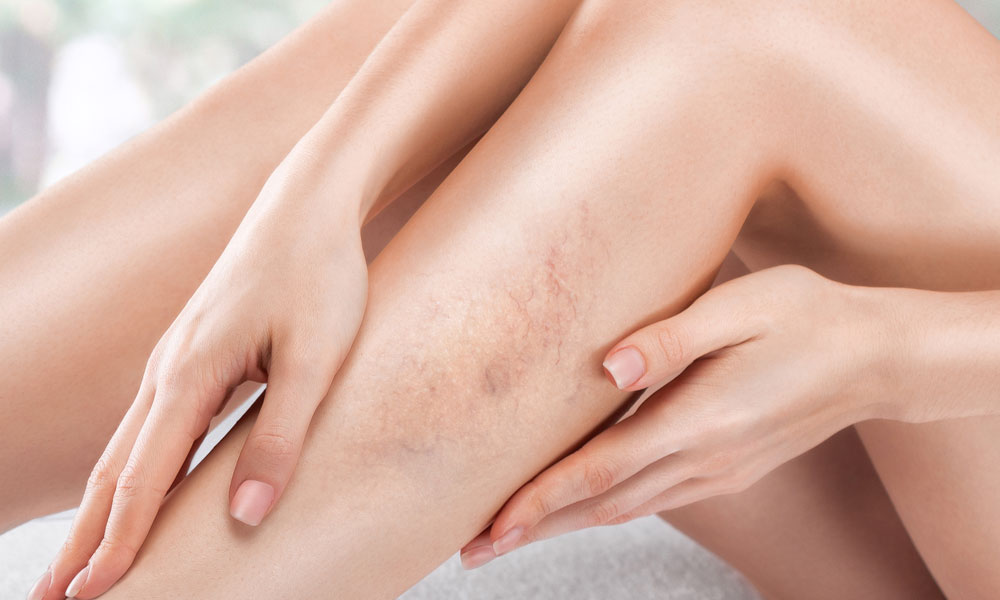
Thread veins are common, but they are not all the same
Thread veins can appear in a range of places on the body, but the face and legs are by far the most common. While they may look similar at first glance, they do not always form for the same reasons, and they are not always treated in exactly the same way. This is why a good assessment matters. A treatment that is ideal for one area may not be the best choice for another, and understanding the cause helps shape a safer, more effective plan.
For many people, thread veins are less about discomfort and more about confidence. They can make the skin look more uneven, more flushed or more visibly aged, and once they become established, they rarely disappear on their own. In an aesthetic clinic setting, the goal is usually to decide which type of vein is being treated, why it has appeared and which option is most likely to give the best cosmetic improvement. The clinic’s own thread vein pages describe these veins as small visible vessels that commonly appear in a spidery or branch-like pattern and note that consultation is used to create the right treatment plan.
Why facial thread veins and leg thread veins are different
Facial thread veins often show up around the nose, cheeks and chin. They are usually quite fine, red and close to the skin’s surface. In many cases they are linked to fragile capillaries, redness-prone skin, sun exposure or repeated flushing. People with fair skin, sensitive skin or conditions such as rosacea may notice them more easily, although they can affect many skin types.
Leg thread veins, on the other hand, often appear as red, blue or purple lines on the thighs, calves or around the ankles. They may be linked to circulation, pressure in the veins, hormonal changes, prolonged standing, genetics or the knock-on effect of a deeper vein issue. The clinic’s own thread vein and sclerotherapy pages note that thread veins can be associated with underlying vein problems and list factors such as genetics, ageing, injuries, hormonal changes and pressure on veins as common contributors.
This is the key difference: facial thread veins are often more superficial and linked to skin reactivity or environmental damage, while leg thread veins are more likely to be influenced by pressure, circulation and the structure of the veins themselves.
What facial thread veins usually look like
Facial thread veins are often quite fine and delicate in appearance, but that does not mean they are easy to ignore. They can make the complexion look permanently flushed, uneven or irritated, especially when they spread across the cheeks or collect around the nostrils. Some clients feel they always look hot, embarrassed or slightly inflamed, even when the skin is otherwise healthy.
Because they sit in such a visible area, people often become aware of them quite quickly. Makeup can help soften the appearance to a point, but it rarely conceals them completely, particularly in daylight. The overall effect is often less about one single visible vein and more about the background redness they create across the face.
What leg thread veins usually look like
Leg thread veins often appear in clusters, webs or branching patterns. Some are tiny and superficial, while others are more noticeable and spread over a larger area. They may sit quietly for years or gradually become more obvious with time. Hormonal changes, pregnancy, family history and long periods of standing can all play a role.
Many people first notice them because they become more visible in brighter light or when they start avoiding certain clothes. While they are usually harmless from a medical point of view, they can still have a real cosmetic impact. This is why leg vein concerns are so commonly discussed in aesthetic clinic consultations, especially when clients want a clearer, more even look to the skin.
Why treatment plans differ
Because facial and leg thread veins often behave differently, treatment plans need to reflect that. The first step is always to assess the area properly. The practitioner needs to look at the size, colour and pattern of the veins, as well as the surrounding skin and any underlying factors that may be contributing.
For facial veins, treatment often focuses on very targeted removal of small visible vessels. For leg thread veins, micro sclerotherapy is often considered when the veins are suitable. The Skin Specialist Nurse specifically presents micro sclerotherapy as a treatment for small veins and spider veins and explains that it works by injecting a solution into the vein so it is no longer used, after which it is gradually reabsorbed and fades.
This does not mean every visible vein is treated the same way, or that every client will need only one option. It means the area, the vein type and the overall skin picture all need to be taken into account.
Facial vein treatments: what to expect
When treating thread veins on the face, the plan is usually very precise. Facial skin is more delicate and exposed, so treatment needs to be selected carefully. The goal is to target the visible vessel while keeping the surrounding skin calm and supported.
Before treatment, a consultation helps determine whether the redness is primarily thread veins, general flushing, rosacea-related change or a mixture of factors. This matters because a person who thinks they only have thread veins may also have an underlying skin sensitivity that affects how the treatment should be approached.
After treatment, it is normal to expect some temporary redness or mild sensitivity in the area. The skin may look a little more noticeable before it settles, and good aftercare is important. Sun protection, gentle skincare and avoiding unnecessary heat or irritation can all help support recovery. The clinic’s wider treatment approach is consultation-led, which suits this sort of personalised facial plan well.
Sclerotherapy for leg thread veins: what to expect
For leg thread veins, micro sclerotherapy is often one of the most recognised treatment options when the veins are suitable. According to the clinic’s sclerotherapy page, the treatment involves injecting a solution directly into the vein, after which blood is rerouted and the treated vein gradually fades. The same page also notes that veins can take a few weeks to fully fade and that some may need more than one treatment.
Before treatment, the practitioner will usually assess the legs carefully and discuss whether the visible veins appear straightforward or whether there may be signs of something deeper. This is important because some thread veins may sit alongside a wider vein issue, which is why a proper consultation should always come first.
After treatment, clients usually need to be patient. Results are not instant, and the treated area can look a little marked while the body starts to clear the vein. Expectations should be realistic, especially if the veins are numerous or long-standing. Some clients need a course of treatment rather than a single session to get the clearest improvement.
Before and after: practical expectations
Whether the treatment is for facial veins or leg veins, there are a few common themes. First, consultation matters. Second, not all veins disappear immediately. Third, aftercare helps protect the result and support the skin while it settles.
For both areas, it is helpful to arrive with clean skin and a clear understanding of your concerns. The consultation is the time to discuss how long the veins have been there, whether they have changed, and what sort of improvement you are hoping for.
Afterwards, the treated area may need a little time. Facial skin may be more reactive for a short period, while legs may take weeks to show the full fading process. The clinic’s own information stresses that micro sclerotherapy is quick, involves minimal downtime and may require more than one session depending on the vein.
Different areas, different strategy
The most important thing to understand is that thread veins on the face and legs may share a name, but they do not always share a treatment route. Facial veins are often about tiny visible capillaries and skin redness. Leg thread veins are more often about pressure, circulation and spider-vein patterns that respond well to sclerotherapy when appropriate.
That is why the best results usually come from a tailored plan rather than a one-size-fits-all approach. In the right aesthetic clinic setting, both areas can be assessed properly and treated with the method most suited to the vein type, the location and the wider condition of the skin. When that happens, the outcome is not just fewer visible veins, but a clearer, calmer and more confident-looking result overall.